The main agenda in higher education today is the internationalization of higher education.
UGM has also enhanced its academic reputation globally by becoming one of the national universities with world-class status,
as evidenced by the continuous improvement in its QS World University Rankings (QS WUR) over the years. In the past 5 years,
UGM’s QS WUR ranking has steadily risen, and in 2025, UGM was ranked 383rd worldwide.
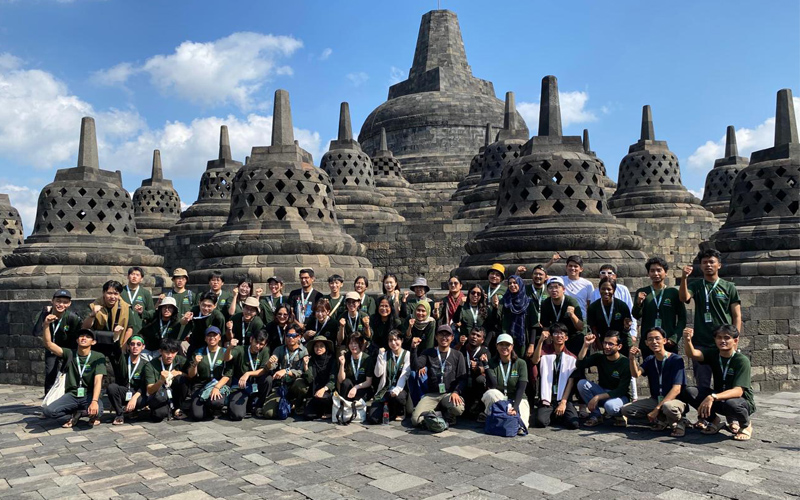
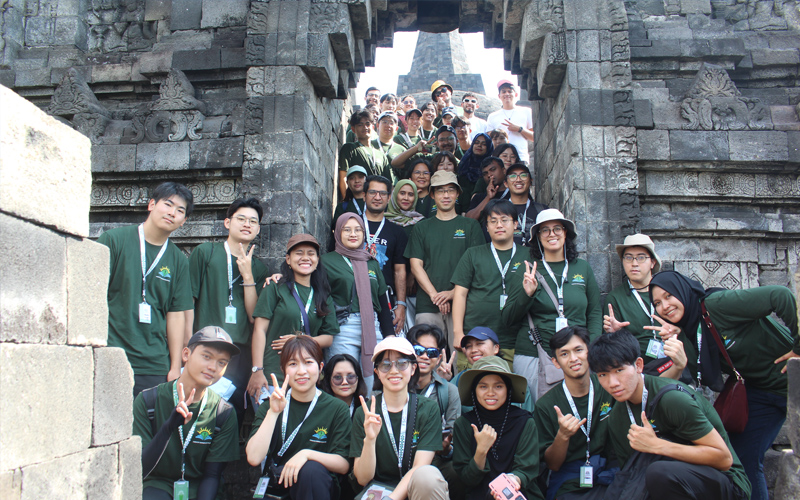
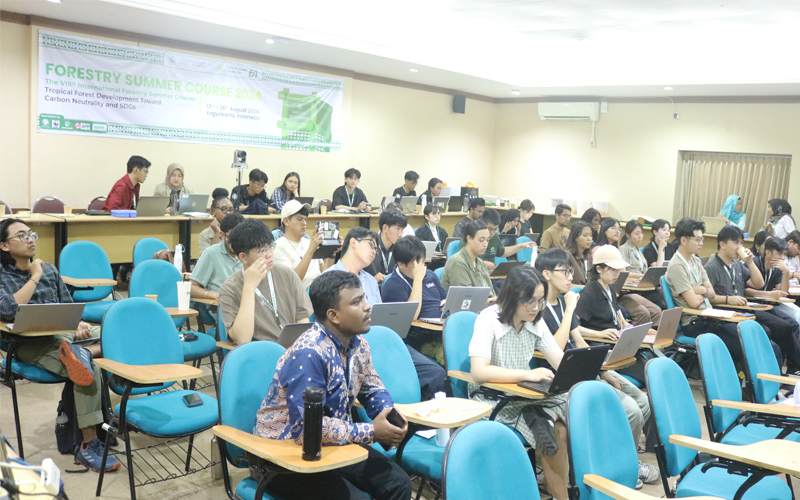
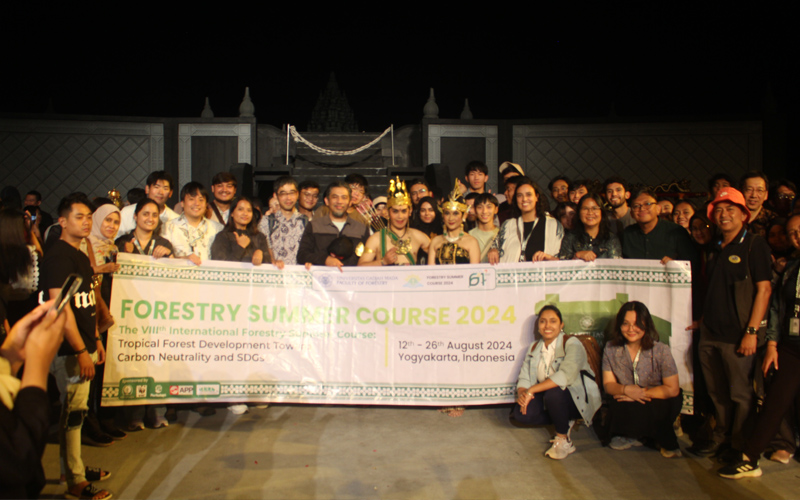
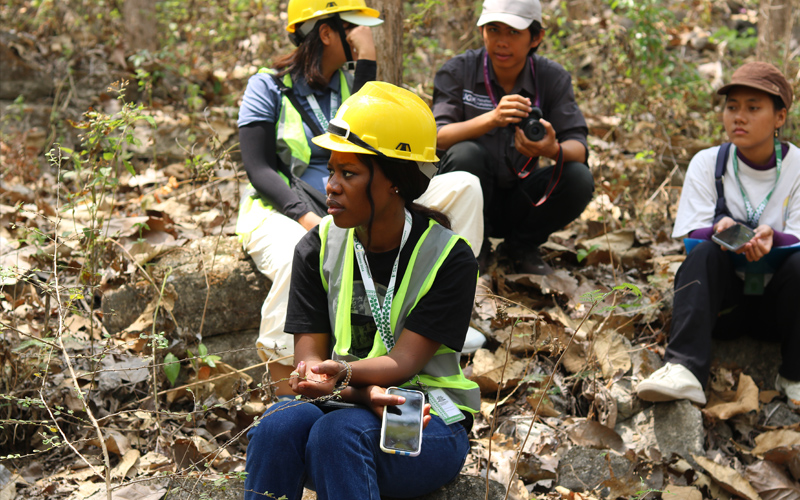
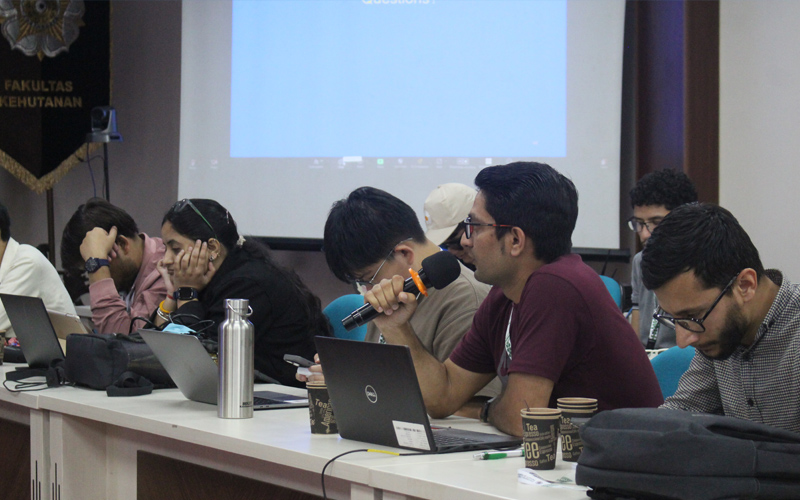
Programs that align with and support UGM’s efforts toward becoming a "World Class University" are continually being strengthened. Initiatives such as bringing in foreign professors, professionals, and international students enhance UGM’s academic excellence and reputation. These programs can take the form of short courses or workshops, which elevate UGM’s leverage on the global stage in the context of educational internationalization. One activity that supports internationalization in education is the summer course program, which involves participants from partner institutions abroad.
The Faculty of Forestry at UGM consistently strives to improve the quality of education, research,
and community service related to forest and environmental conservation. One of their initiatives is
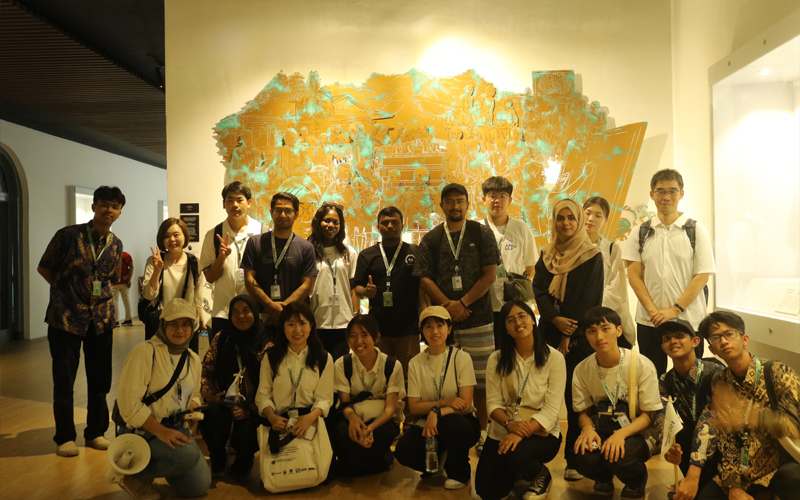
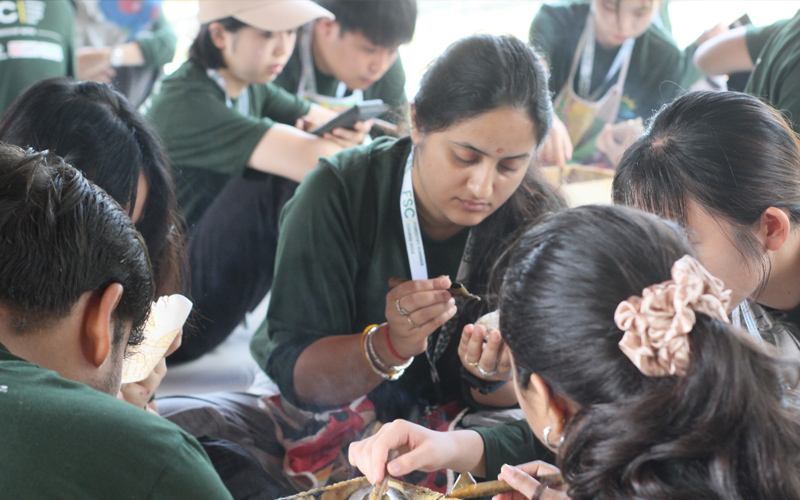
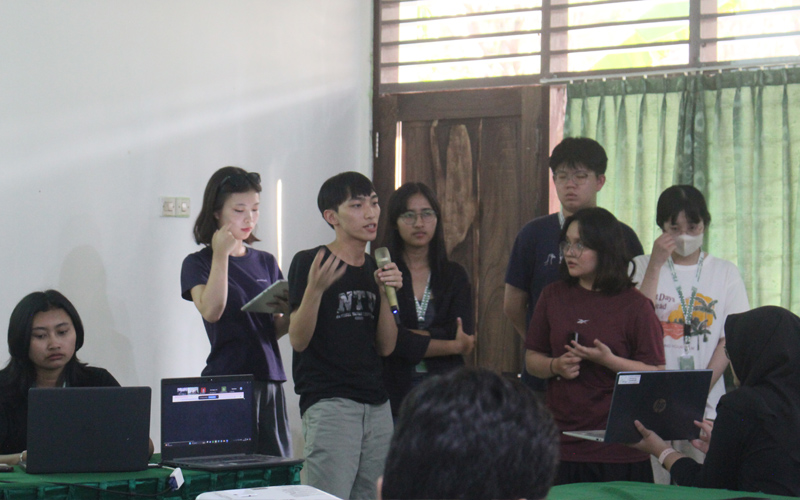
The IX International Forestry Summer Course. In 2025, this summer course focuses on
"The Forest Nexus: Innovation in Food, Energy, and Water Sustainability". This theme will present a variety of
study materials designed to integrate the multidimensional aspects of forests in supporting food, energy, and water sustainability.
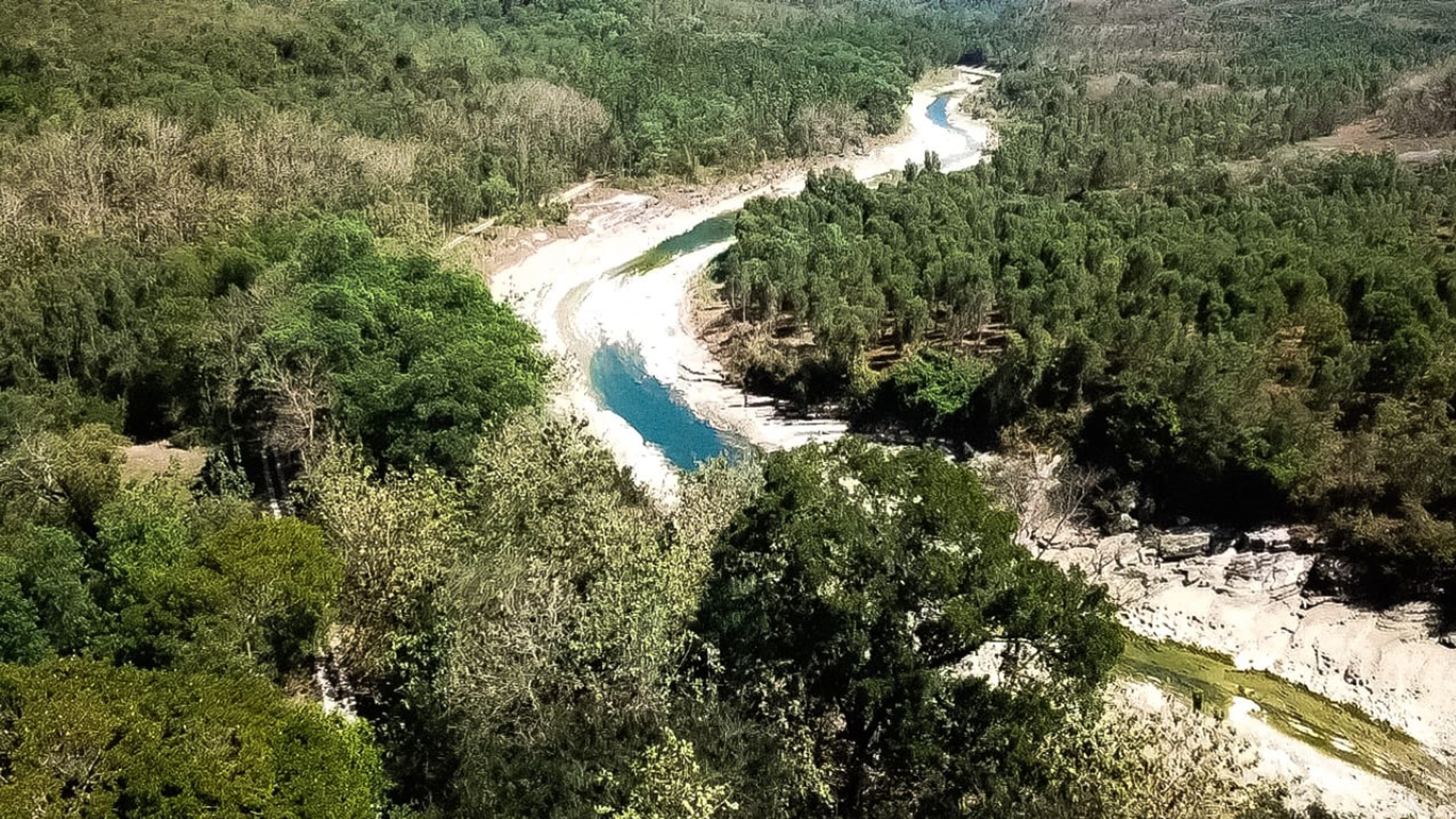
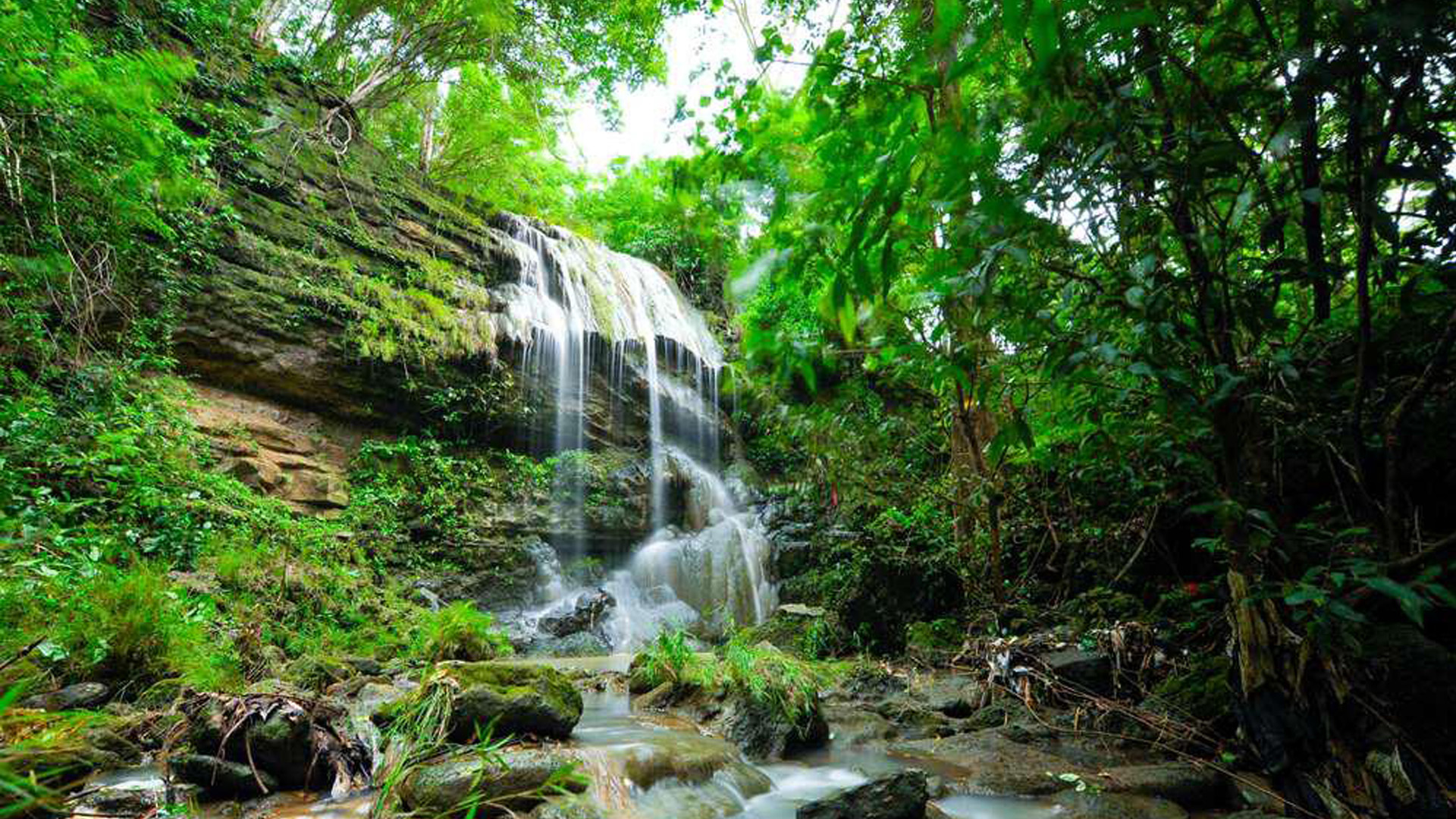
The learning includes topics on forest landscape management for food and water security, highlighting strategies
for managing tropical forest landscapes to support food production and water resource conservation. In addition,
materials on renewable fuel innovations from forest biomass and biofuels will discuss how forest waste can be processed into environmentally
friendly bioenergy. Agroforestry systems are also a focus, with an emphasis on integrating agricultural and forestry practices
to maximize food yields while providing sustainable fuels.
Other themes include forest biodiversity conservation as a supporter of the food chain and provider of water resource quality, and technologies for processing non-timber forest products such as honey, mushrooms, and forest fruits as sustainable food alternatives. The study materials are designed to provide a holistic understanding of the interconnectedness of forests, food, energy, and water, while emphasizing the importance of innovation, forest-based approaches, and global collaboration in achieving future sustainability.
The upcoming summer course activities are expected to further enhance academic collaboration networks with foreign institutions, particularly by fostering research collaboration, student exchanges, joint degrees, and double-degree programs.